The Wishkah Archive · Aberdeen, Washington

Wishkah Mud

A Piece of Aberdeen. Wherever You Are.

An Online Archive

Before it is anything for sale, Wishkah Mud is a record — of a river, a working town, and the stubborn creative spirit of the Pacific Northwest. Every artifact preserves a small, authentic piece of Aberdeen so it can travel anywhere in the world.

The Story

Five Chapters of Aberdeen

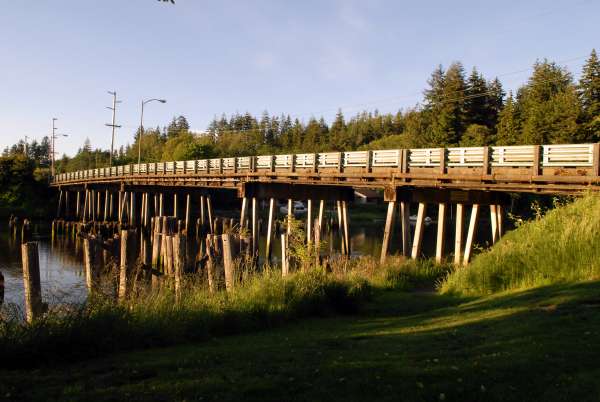
The Young Street Bridge crossing the Wishkah River at golden hour
01

The River

The Wishkah rises in the Olympic foothills and runs south to meet the Chehalis at Aberdeen, spilling into Grays Harbor. For thousands of years its tidal banks have gathered a fine, mineral-rich sediment — the very mud we preserve.

It is an ordinary river with an extraordinary hold on the people who live beside it.
Aberdeen Waterfront
02

The Town

Aberdeen grew where the rivers meet — a rain-soaked port built by people who worked with their hands. Unpretentious and proud of place, it has always made a great deal out of very little.

That character is the quiet subject of everything we archive.

Logging & Harbor
03

The History

Timber built Aberdeen. Log booms rode the Wishkah, mills lined the waterfront, and Grays Harbor carried Pacific Northwest lumber to the world. The harbor's industry shaped a century of life on the coast.

Our packaging borrows the language of that era — survey maps, field notes, and specimen records.

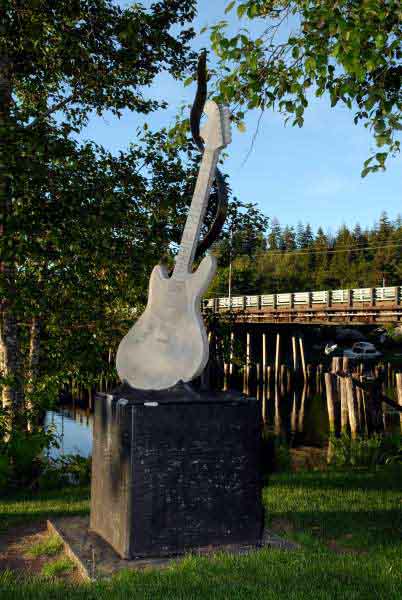
Riverside guitar sculpture honoring Aberdeen's music heritage
04

The Music

Aberdeen is also remembered as fertile ground for a raw, independent kind of music — a sound shaped by grey skies, mill towns, and restless creativity. It is part of the town's story, and we honor it as heritage.

We celebrate that legacy in spirit only — never in affiliation with any band, artist, estate, or trademark.

The Artifact
05

The Artifacts

Each artifact holds authentic Wishkah River mud, hand-collected at the tideline, sealed in an archival vial, hand-numbered, and recorded in our registry with a signed Certificate of Authenticity.

Not a souvenir — a documented specimen of Aberdeen itself.

Browse the Collection

A Line Through Time

From Riverbank to Archive

  1. Wishkah River

    Sediment carried down from the Olympic foothills.

  2. Logging Era

    Timber and log booms built the waterfront.

  3. Harbor Industry

    Grays Harbor connected Aberdeen to the world.

  4. Music History

    An independent Pacific Northwest sound takes root.

  5. Wishkah Mud™

    The river, preserved and hand-numbered.

Collections

The Standing Exhibits

Four collections drawn from the same river, each presented as a museum exhibit — distinguished by story, edition, and the moment it was gathered.

River Artifact

Collection No. 001

River Artifact

The original specimen — tideline sediment sealed in a hand-labeled vial.

View Exhibit →
Grunge Heritage

Collection No. 002

Grunge Heritage Edition

A tribute to the independent spirit born on these riverbanks. Matte-black archival presentation.

View Exhibit →
Locals Reserve

Collection No. 003

Locals Reserve

Gathered on select days by Grays Harbor hands. Our smallest recurring batch.

View Exhibit →
Founders Edition

Collection No. 004 · Limited

Founders Edition

The archive's inaugural release — numbered low, retired first, and never repeated.

View Exhibit →

Certificate of Authenticity

Documented Like a Specimen

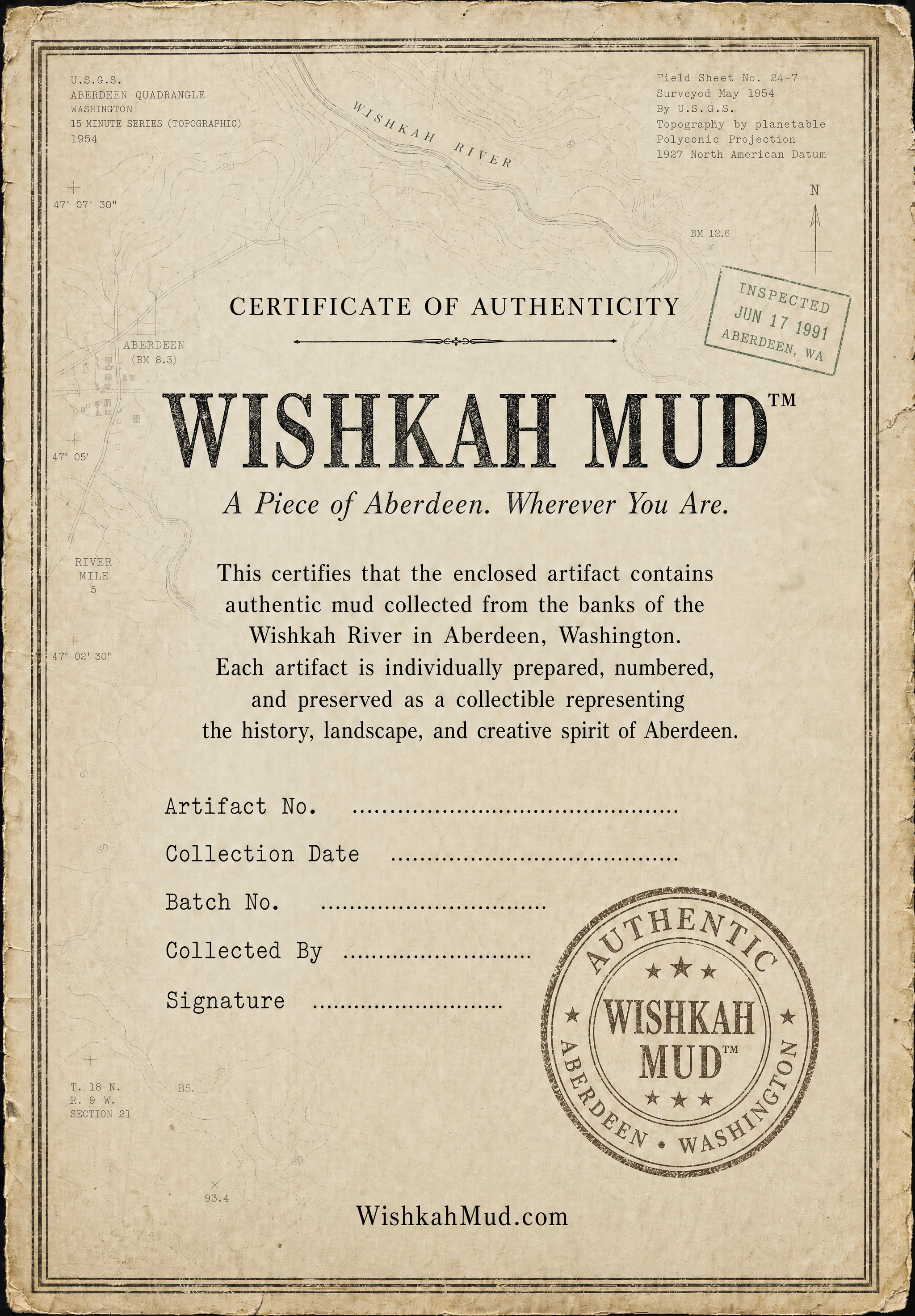
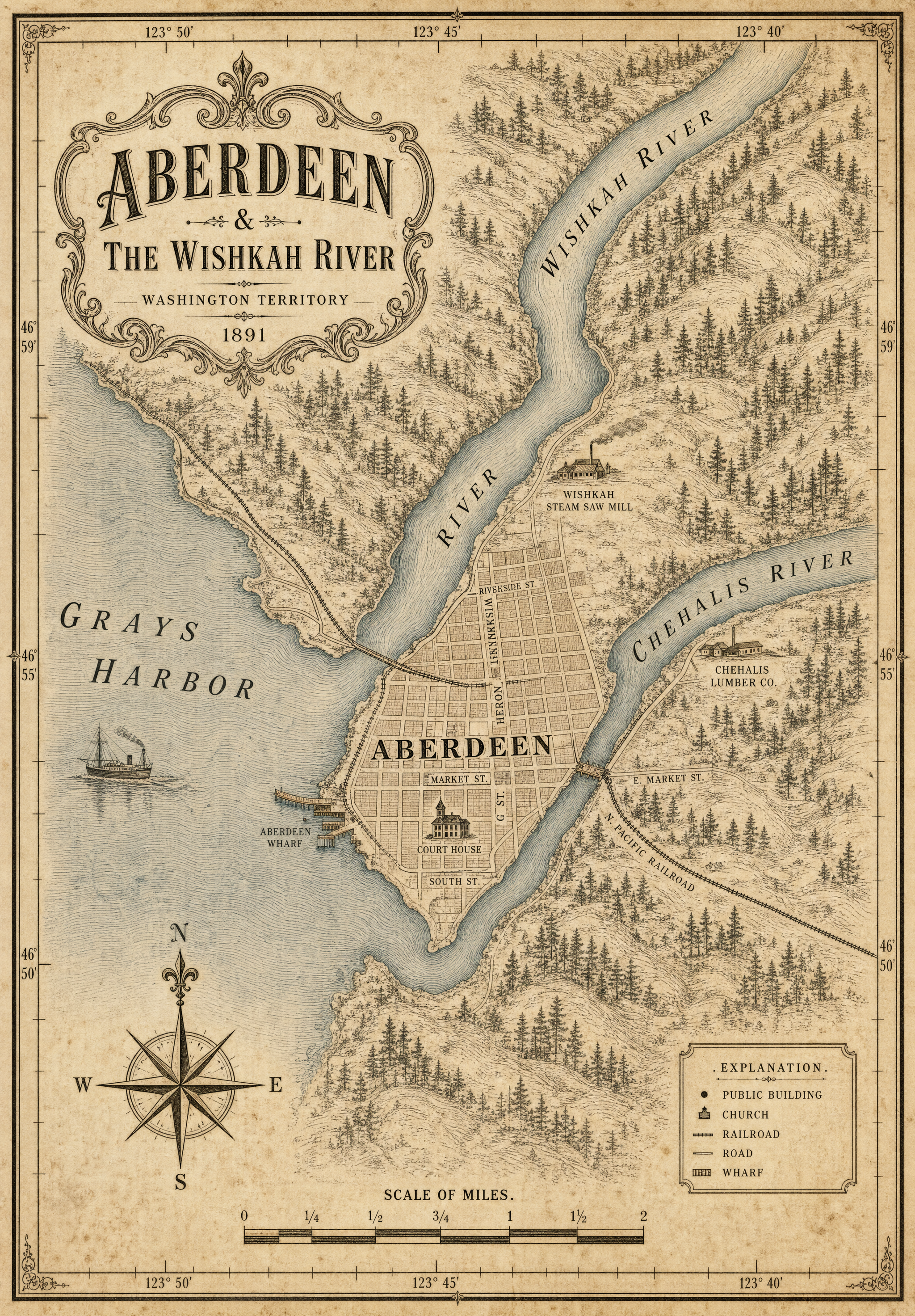
Every artifact ships with a letterpress-styled Certificate of Authenticity — typed, numbered, sealed, and archived in the manner of a natural-history specimen record. The reverse carries the 1891 survey map of Aberdeen and the Wishkah River.

  • Artifact NumberWM-26-000127
  • Collection DateMarch 14, 2026
  • EditionRiver Artifact · Series I
  • AuthenticationSealed & Verified

Verify an Artifact

Example: WM-26-000127

Wishkah Mud Certificate of Authenticity printed on cream parchment with typewriter fields and an embossed authentication seal

Aberdeen, Washington

A Town at the Edge of the Rain

Aberdeen sits at the confluence of the Wishkah and Chehalis Rivers on Grays Harbor, in the heart of Washington's Pacific coast — a place shaped by water, timber, and tide.

The Wishkah River

The Wishkah and Chehalis meet at Aberdeen and drain into Grays Harbor, feeding the tidal flats whose mineral-rich sediment gives Wishkah Mud its character.

Logging

Surrounded by dense coastal rainforest and old logging country, Aberdeen grew as a timber town at the edge of the Olympic Peninsula.

The Harbor

A deep-water working waterfront, Grays Harbor carried lumber, fishing fleets, and maritime trade that shaped the region for over a century.

Pacific Northwest Culture

Hard-working, unpretentious, and proud of place — Aberdeen's identity is stitched from river, rain, timber, and tide.

Music Heritage

Aberdeen is widely recognized as a birthplace of a raw, independent Pacific Northwest sound — a creative legacy born of grey skies and mill-town grit.

The Landscape

Fog-laden mornings, driftwood beaches, and the steady pulse of the Wishkah define a coastline unlike anywhere else in Washington.

Wishkah Mud documents Aberdeen, Washington — its rivers, forests, harbor, and cultural heritage — as a tangible archive. Each artifact preserves authentic sediment from the Wishkah River so a small piece of the Pacific Northwest can travel anywhere while remaining, unmistakably, of this place.

We celebrate Aberdeen's contribution to independent music history and Pacific Northwest culture without claiming affiliation with any specific band, artist, estate, album, or trademark. Our subject is the town, the river, and the enduring creative spirit of Grays Harbor.

Vintage 1891-style survey map of Aberdeen, Washington showing the Wishkah River meeting the Chehalis River at Grays Harbor